Proportion, Not Shape, Is the Real Variable (Rethinking Body-Type Advice)
Body-shape categories tell you which fruit you are and then leave you to it, which is why so much of that advice does not land. The more useful variable is proportion — where your lines fall, and where you place the next one. Here is why shape categories under-deliver, what proportion means, and how to work with it.
Why Shape Categories Under-Deliver
The limits of fruit: the the-categories-are-too-broad (the shape categories lumping very different bodies together from the body-shape-guide logic — the too-broad), the the-they-prescribe-rather-than-explain (the categories prescribing rules without explaining why from the understand-proportions logic — the prescribe-not-explain), the the-two-people-same-shape-different-proportions (the two people of the same ‘shape’ having different proportions from the understand-proportions logic — the same-shape-different-proportions), the the-height-and-torso-change-everything (the height and torso length changing what works from the understand-proportions logic — the height-and-torso), the the-proportion-is-the-underlying-variable (the proportion being what the rules are actually about from the understand-proportions logic — the proportion-underlies), and the reframe (the body-shape category as too blunt an instrument — with proportion, where your lines fall and where you place the next one, being the variable that actually explains it).

What Proportion Actually Means
Reading your own lines: the the-where-your-waist-sits (the where your natural waist actually sits from the understand-proportions logic — the waist-position), the the-torso-to-leg-ratio (the your torso-to-leg ratio from the understand-proportions logic — the torso-to-leg), the the-shoulder-to-hip-relationship (the the relationship between shoulder and hip width from the body-shape-guide logic — the shoulder-to-hip), the the-where-hems-land-on-you (the where standard hems happen to land on your body from the statement-pieces logic — the where-hems-land), the the-the-lines-you-add (the every hem, waistband and neckline adding a line from the understand-proportions logic — the lines-you-add), the the-vertical-versus-horizontal-breaks (the vertical continuity against horizontal breaks from the understand-proportions logic — the vertical-vs-horizontal), and the the-it-is-all-relative (the proportion being relative, not about absolute size from the body-shape-guide logic — the it-is-relative).
How to Use It
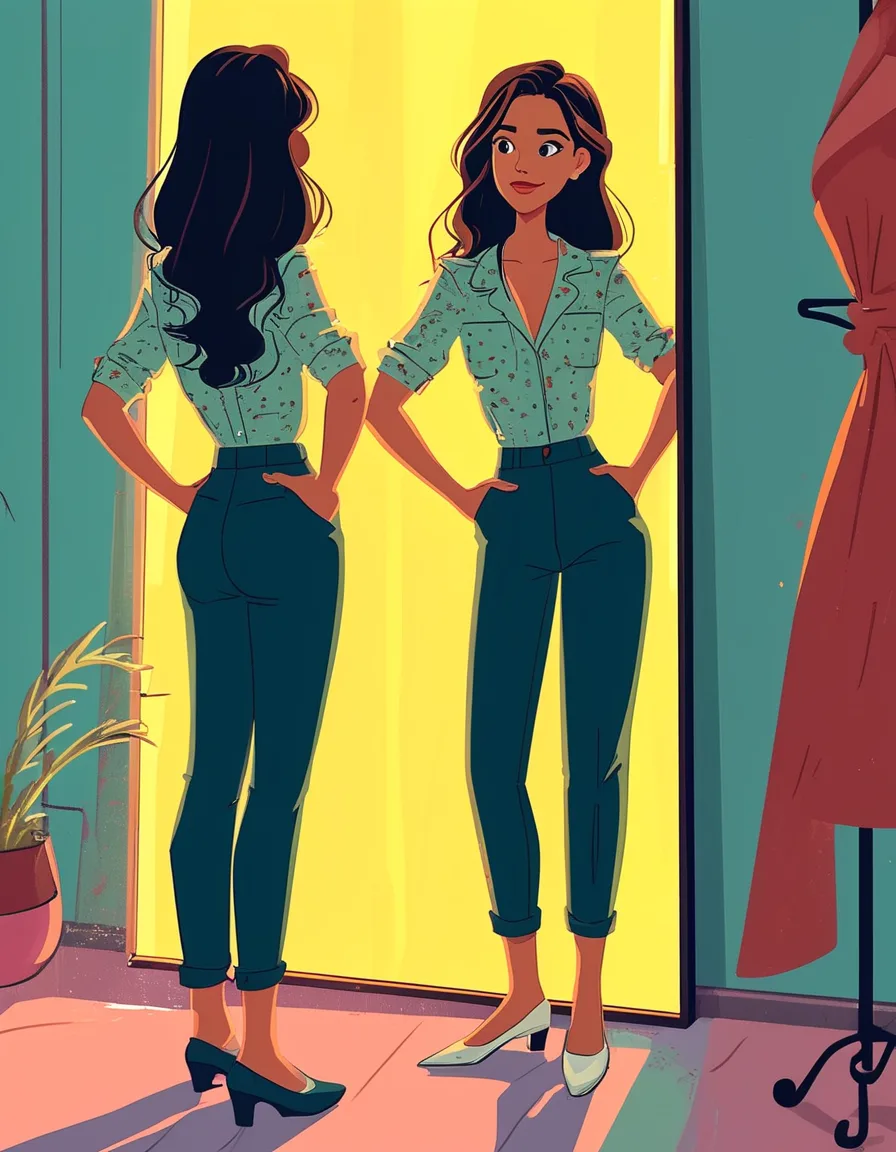
Working with proportion: the the-decide-where-the-waist-sits (the deciding where you want the visible waist from the understand-proportions logic — the decide-the-waist), the the-place-hems-deliberately (the placing hems deliberately rather than accepting them from the statement-pieces logic — the place-hems), the the-one-volume-one-line (the balancing volume with a defined line elsewhere from the bold-style logic — the one-volume-one-line), the the-vertical-continuity-lengthens (the tonal continuity lengthening the line from the understand-proportions logic — the vertical-continuity), the the-break-the-line-where-you-choose (the placing the horizontal break where you want the eye from the understand-proportions logic — the break-where-you-choose), the the-tailor-to-your-proportions (the tailoring hems and rises to your actual proportions from the body-shape-guide logic — the tailor-to-proportions), the the-test-in-a-full-length-mirror (the judging proportion only in a full-length mirror from the understand-proportions logic — the full-length-test), and the frame (the styling as a proportion problem — your waist position, torso-to-leg ratio and where each hem lands — managed by placing lines deliberately — proportion, not shape. Learn where your waist and hems actually fall, place each line deliberately, and judge it in a full-length mirror).
Body-shape categories tell you which fruit you are and then leave you to it, which is why so much of that advice does not land; the more useful variable is proportion — where your lines fall, and where you place the next one. Shape categories under-deliver because they are too broad, they prescribe rather than explain, two people of the same shape have different proportions, height and torso change everything, and proportion is the underlying variable. Proportion means where your waist sits, your torso-to-leg ratio, the shoulder-to-hip relationship, where hems land on you, the lines you add, vertical versus horizontal breaks, and that it is all relative. Use it by deciding where the waist sits, placing hems deliberately, balancing one volume with one line, using vertical continuity, breaking the line where you choose, tailoring to your proportions, and testing in a full-length mirror. Proportion, not shape.
Keep Reading
This article is for general styling and informational purposes only. Trends, sizing, availability and pricing may vary by brand and season.