The Sleeve Report: Styling Arms With Length, Volume and Zero Apology
Sleeves quietly went from afterthought to statement — the balloon, the bell, the sculptural shoulder — and the sleeve conversation deserves rescuing from arm-apology into pure styling. The sleeve report: the mechanics, the guide and the framing.

The Effect Mechanics
What sleeves do: the proportion instrument (the sleeve volume balancing the outfit — the big sleeve over the slim bottom per the proportion logic; the shoulder-line drawn by the sleeve head), the length punctuation (the sleeve endpoint drawing a line — the bracelet-length showcasing wrists and jewelry per the accessory logic; the elbow, three-quarter and full stops each reading differently), the movement factor (the fluid sleeves performing like pleats per the pleats logic — the drama in motion), the statement capacity (the sleeve being the easiest bold — the interesting-sleeve top carrying a whole outfit per the statement logic), and the coverage-as-style stance (the sleeve chosen for DESIGN, never apology — the covered arm as aesthetic per the ageless logic; the bare arm equally free per the confidence logic).
The Sleeve Guide
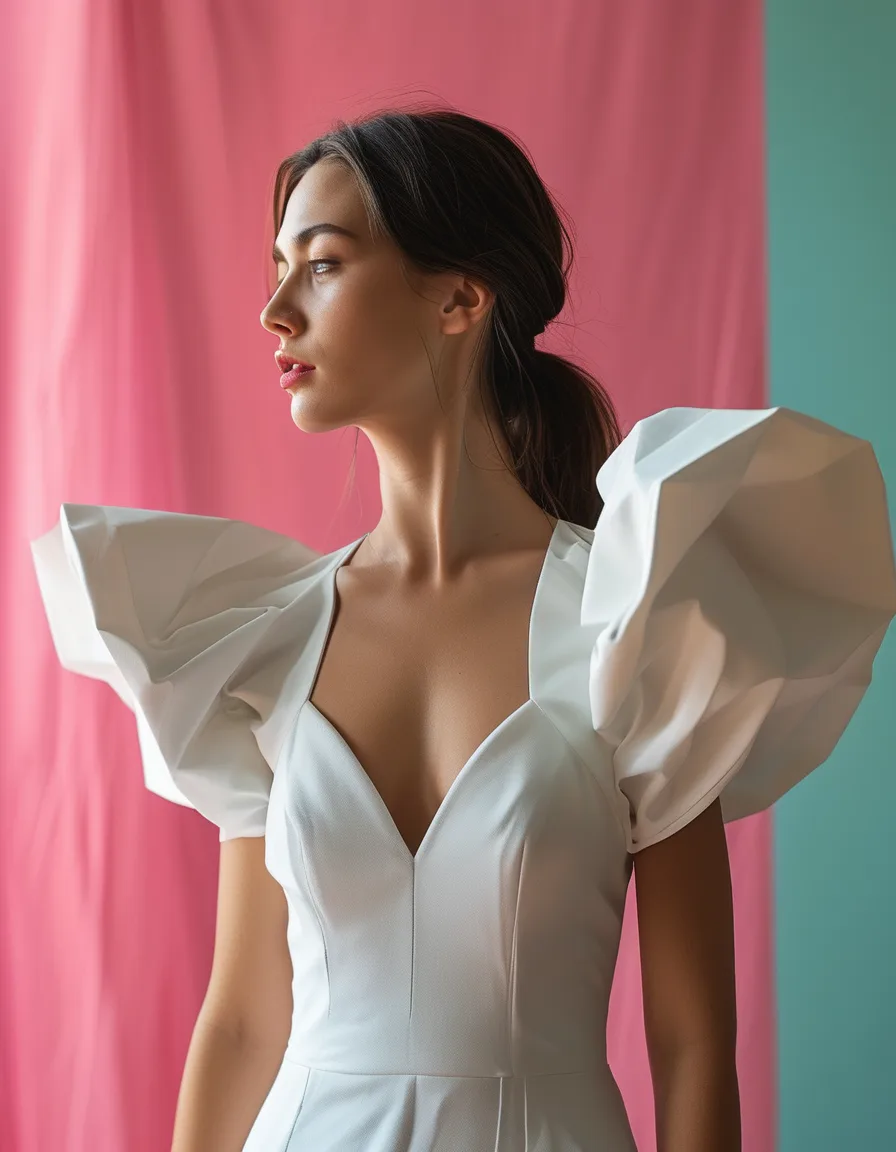
Style by style: the balloon-and-bishop volume (the romantic drama — the fitted-bodice balance; the volume equation per the proportion logic), the puff shoulder (the structured statement — the strong-shoulder photo-read per the street logic; the dose calibration), the bell-and-flare (the boho movement per the boho logic — the sleeve-in-the-soup practicality honesty), the bracelet-length (the polished endpoint — the watch-and-bangle stage; the French-classic wrist per the classic logic), the three-quarter (the universally-useful stop — the forearm baring that reads lighter), the fitted-long (the column completer per the column logic — the layering base), the cap-and-flutter (the summer softness — the shoulder-framing minimal), the sleeveless-and-shell (the layering canvas per the layering logic — the blazer partner), the slit-and-split sleeves (the modern drama tier), and the sheer sleeve (the covered-and-light compromise per the occasion logic — the evening elegance).
The Confidence Framing
Arms without apology: the apology-language retirement (the ‘hiding my arms’ vocabulary swapped for ‘styling my arms’ — the same garment, different relationship per the body logic), the style-first selection (the sleeve chosen for the OUTFIT’s design — the drama, the balance, the mood; the coverage incidental to the aesthetic), the bare-arm equality (the sleeveless worn freely at any age-and-arm per the ageless logic — the toned-arm prerequisite being marketing fiction), the fit notes (the armhole-and-bicep comfort audit — the sleeve that binds failing per the comfort logic; the reach test), the statement-sleeve styling (the big sleeve with the quiet everything per the one-statement logic — the earring-versus-sleeve competition managed), the seasonal range (the summer’s flutter-and-sheer tiers — the winter’s volume under coats honesty: the sleeve-coat compatibility check per the layering logic), and the closing frame (the sleeve promoted to statement — the balloon owned, the bracelet-length polished, the bare equally chosen; the arms, styled with zero apology; the report, filed boldly). Volume balanced, endpoint deliberate, apology retired: the sleeves, styled.
Sleeves are statements now: balloon and puff for structured drama (balanced over slim bottoms), bracelet-length as the polished jewelry stage, sheer as the covered-and-light evening compromise. Retire the apology vocabulary — the sleeve is chosen for design, the bare arm is equally free at any age, and the big sleeve takes the one-statement slot with everything else kept quiet.
Keep Reading
This article is for general styling and informational purposes only. Trends, sizing, availability and pricing may vary by brand and season.